


Frozen Shoulder in Menopause: Why It Happens — and How Acupuncture Can Help
Frozen Shoulder in Menopause: Why It Happens and How Acupuncture Speeds Recovery
What Is Frozen Shoulder?
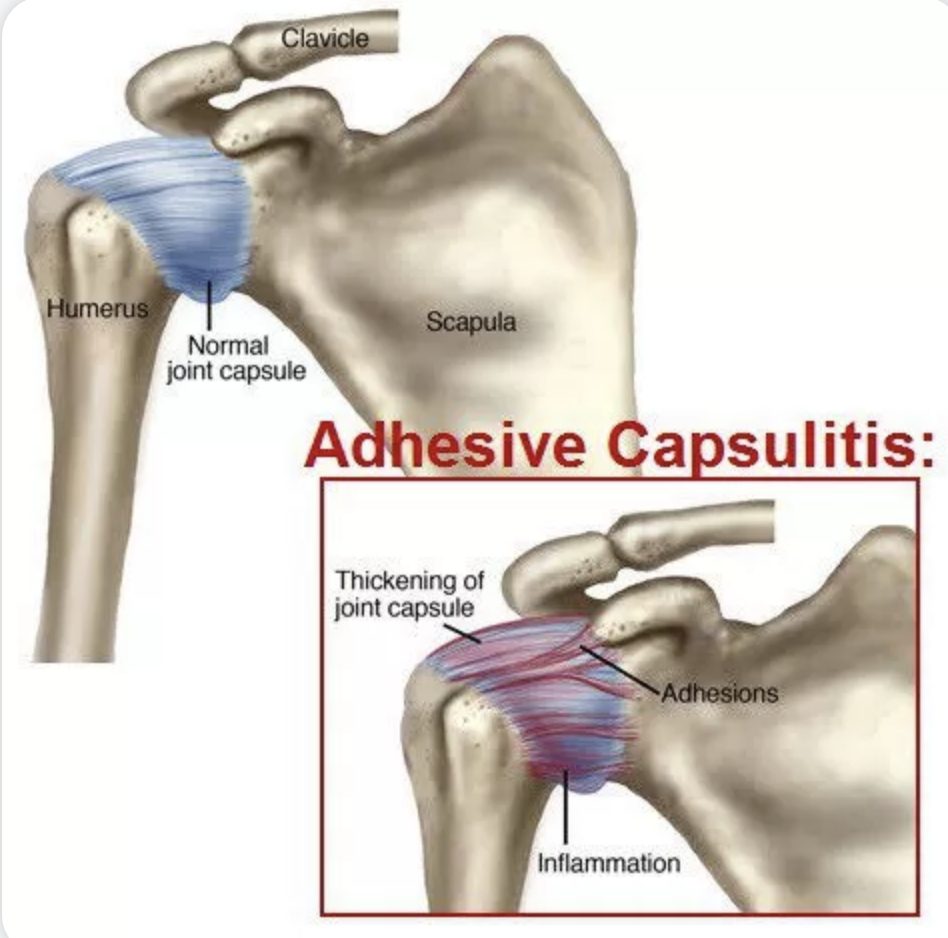
Frozen shoulder, also called adhesive capsulitis, is a painful and limiting condition that affects the shoulder joint. It often develops gradually and can take months—or even years—to resolve without the right care.
Women over 45, especially those in perimenopause or menopause, are significantly more likely to experience frozen shoulder. Hormonal changes, inflammation, and loss of connective tissue elasticity all play a role.
Why Frozen Shoulder Is Common During Menopause
According to Traditional Chinese Medicine (TCM), menopause brings a natural decline in Kidney Yin and Essence—the energies responsible for nourishing the joints, tendons, and ligaments. When Yin and blood decrease, circulation slows. Muscles and tendons lose flexibility and hydration, leading to stiffness, pain, and reduced range of motion.
In Western medicine terms, this corresponds to estrogen decline, collagen loss, and increased inflammatory markers. The result? The shoulder capsule tightens and inflames, leaving it vulnerable to becoming “frozen.”
Patients often find that their shoulder pain is:
- Worse at night
- Aggravated by cold or damp weather
- Accompanied by heaviness or swelling
Conventional vs. Acupuncture Treatment for Frozen Shoulder
Conventional medicine typically focuses on symptom management:
- Pain: treated with medications or injections
- Rigidity: addressed through physical therapy
- Inflammation: reduced with steroids or anti-inflammatory drugs
While these can help, they don’t address the root cause of why the shoulder became frozen in the first place.
Acupuncture takes a more comprehensive approach. Treatments improve circulation, reduce inflammation, and restore the quality and movement of blood, Yin, essence, and energy. Patients often notice other benefits along the way—like better sleep, calmer moods, and more balanced energy—because acupuncture treats the body as a connected whole.
How Long Does It Take to Heal Frozen Shoulder with Acupuncture?
Most patients with frozen shoulder respond best to acupuncture treatments twice a week for several weeks.
Typically, the condition resolves in a couple of months—compared to the year or two often required for recovery with conventional care alone.
It’s a bit like taking your car in for a broken button and leaving with a full tune-up: we treat the pain, but we also optimize the entire system for better long-term function.
Acupuncture for Frozen Shoulder in Herndon, VA
At Calvert Rejuvenations, we combine modern integrative care with the wisdom of Chinese medicine to help patients heal naturally and completely.
If you’re in Herndon or the Northern Virginia area and are struggling with shoulder pain, stiffness, or limited movement—especially around menopause—acupuncture can help your body restore balance, mobility, and comfort faster.
At Calvert Rejuvenations in Herndon, we take a whole-body approach to healing—addressing not only the shoulder itself, but the underlying hormonal and circulatory imbalances that make it vulnerable in the first place.
-in health and hope for a brighter tomorrow,
Calvert,
Acupuncture Physician, Co-Founder of Calvert Acupuncture, Founder of Calvert Rejuvenations Spa
LAc, LMT, ME
#FrozenShoulderRelief #MenopauseRelief #AcupunctureForPain #HerndonVA #NorthernVirginiaWellness #CalvertRejuvenations #MenopauseHealth #PerimenopauseSupport #ShoulderPainRelief #IntegrativeMedicine #HolisticHealing #MidlifeWellness #NaturalPainRelief #WomenOver45 #WomenOver50 #AcupunctureHerndon


